From Fallen Timber to Form: The Life Cycle of Australian Hardwood Sculptures
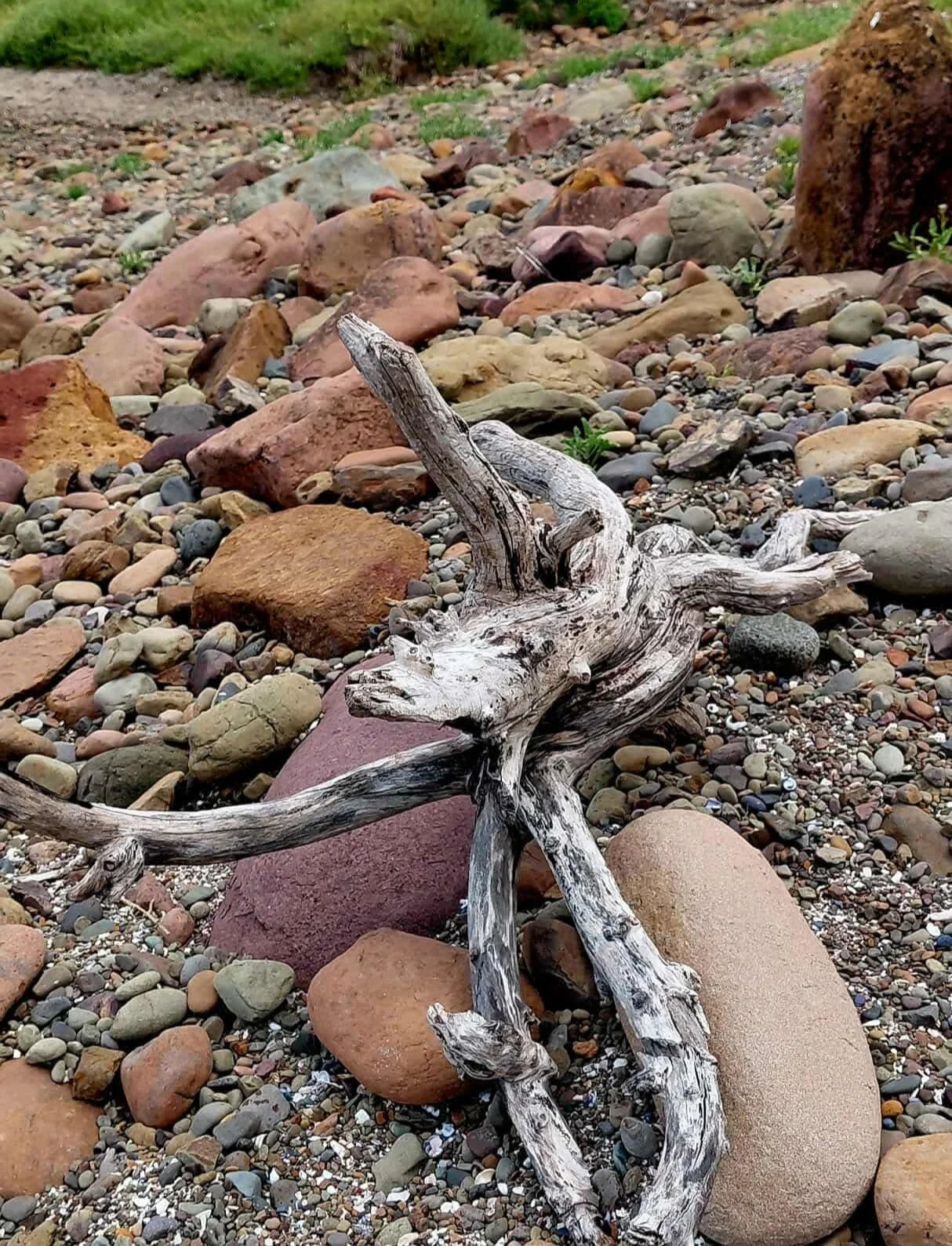
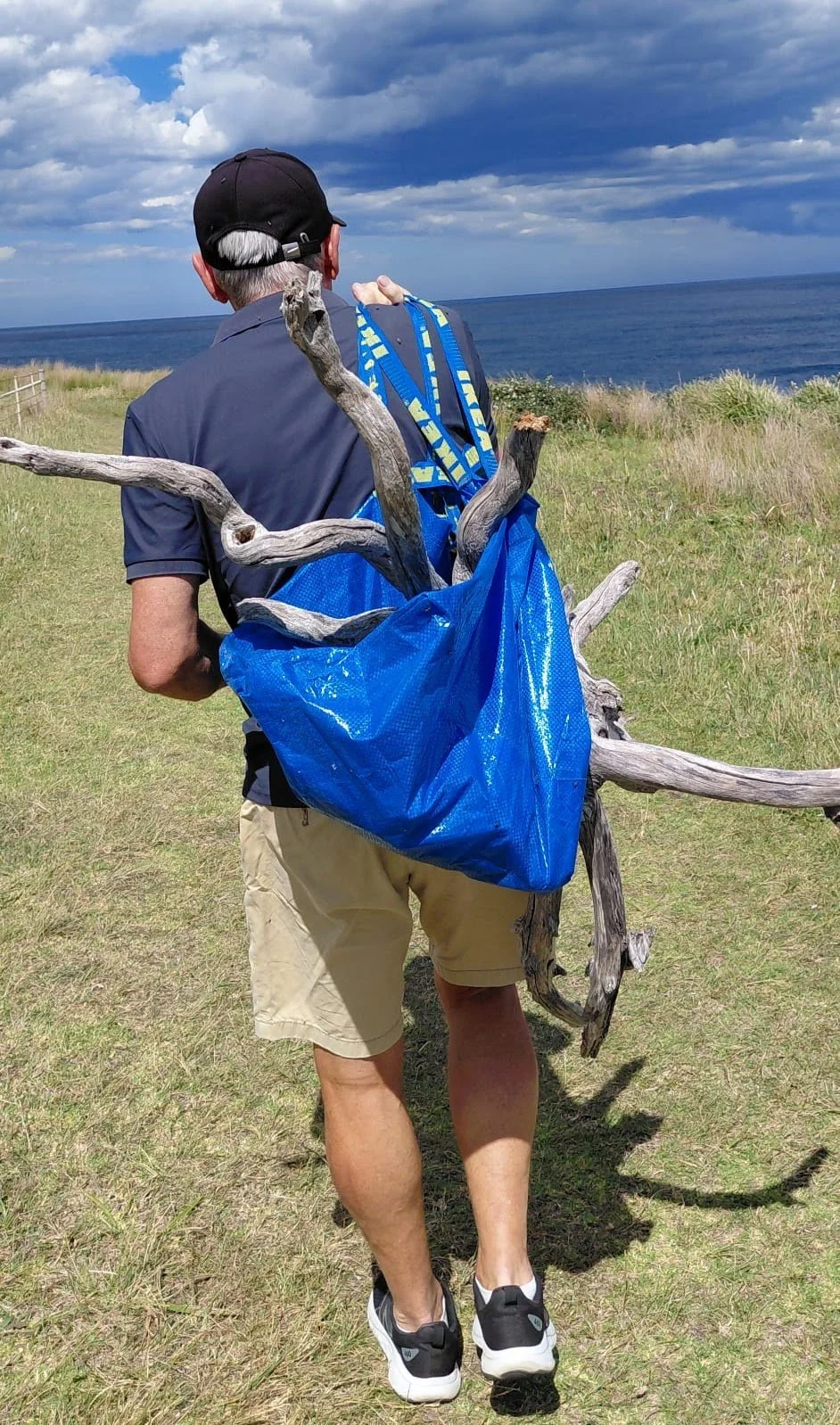
Every sculpture begins with a walk, a sharp eye, and a deep respect for the land.
While wandering along one of the secluded beaches between Kiama and Gerringong on the coastal walk, I spotted a piece of Australian hardwood lying among the pebbles, weathered by wind, salt, and tide. Many would walk past it as simple drift timber, but when you stop to inspect and analyze the natural shape, form, and grain, you instantly feel how it wants to be transformed.
In truth, nature has already done the heavy lifting over decades. My role as a sculptor is not to force a rigid shape onto the wood, but to be guided by what nature has already started—merely putting the finishing touches on an already finished creation.
The Journey to the Studio
Carrying a heavy, dense piece of native hardwood off a remote coastal stretch is a slow, physical process, but every step is part of the work's history. Once back in the studio, the slow work of refinement begins:
Cleansing & Drying: Allowing the timber to settle, removing salt and grit while preserving the raw exterior character.
Reading the Grain: Hand-shaping with chisels and rasps, following the natural lines, knots, and hollows formed by the elements.
Fine Finishing: Hand-sanding through fine grits and sealing with natural oils to bring out the deep, rich tones buried beneath the weathered surface.
Still Standing
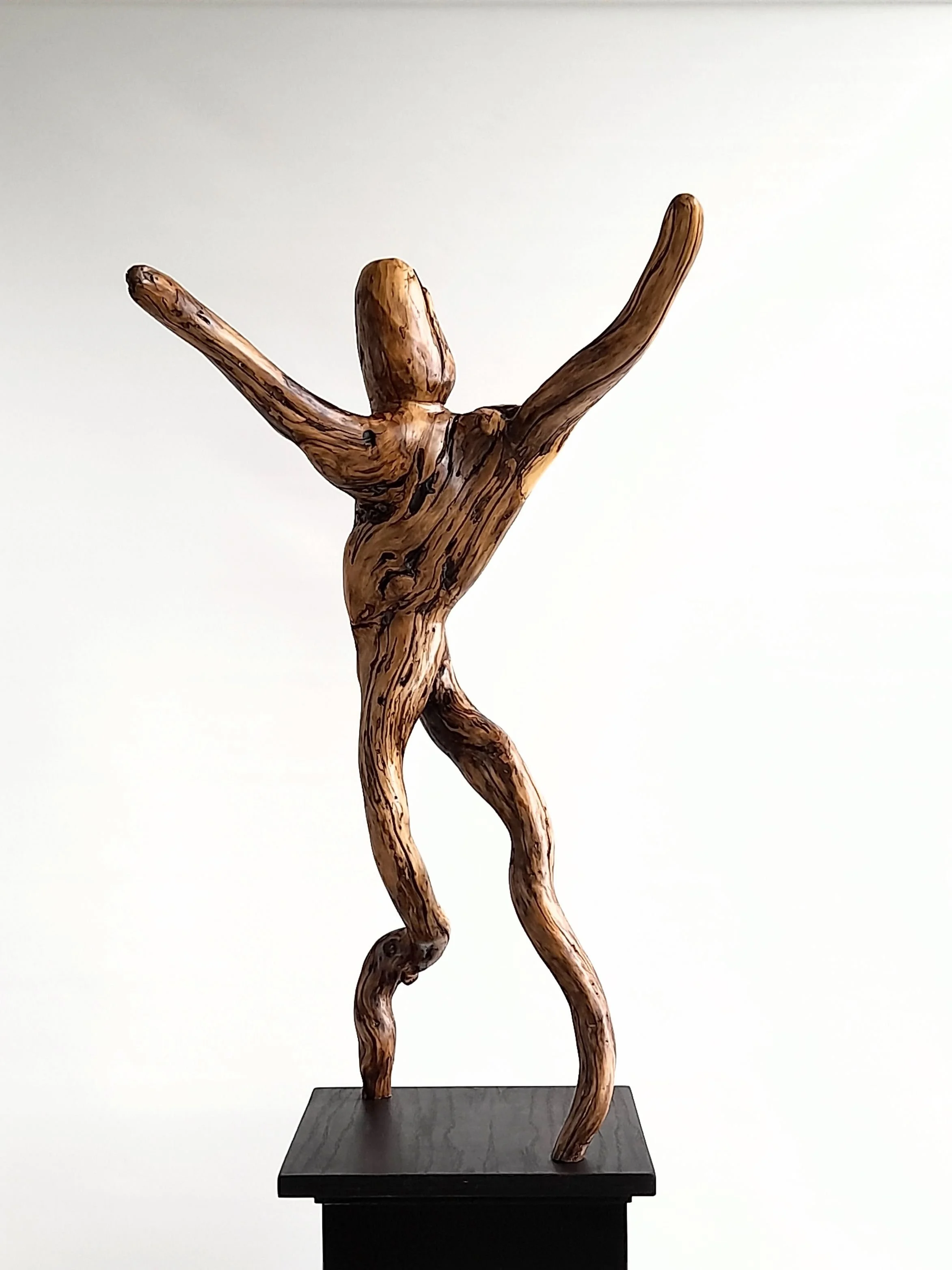
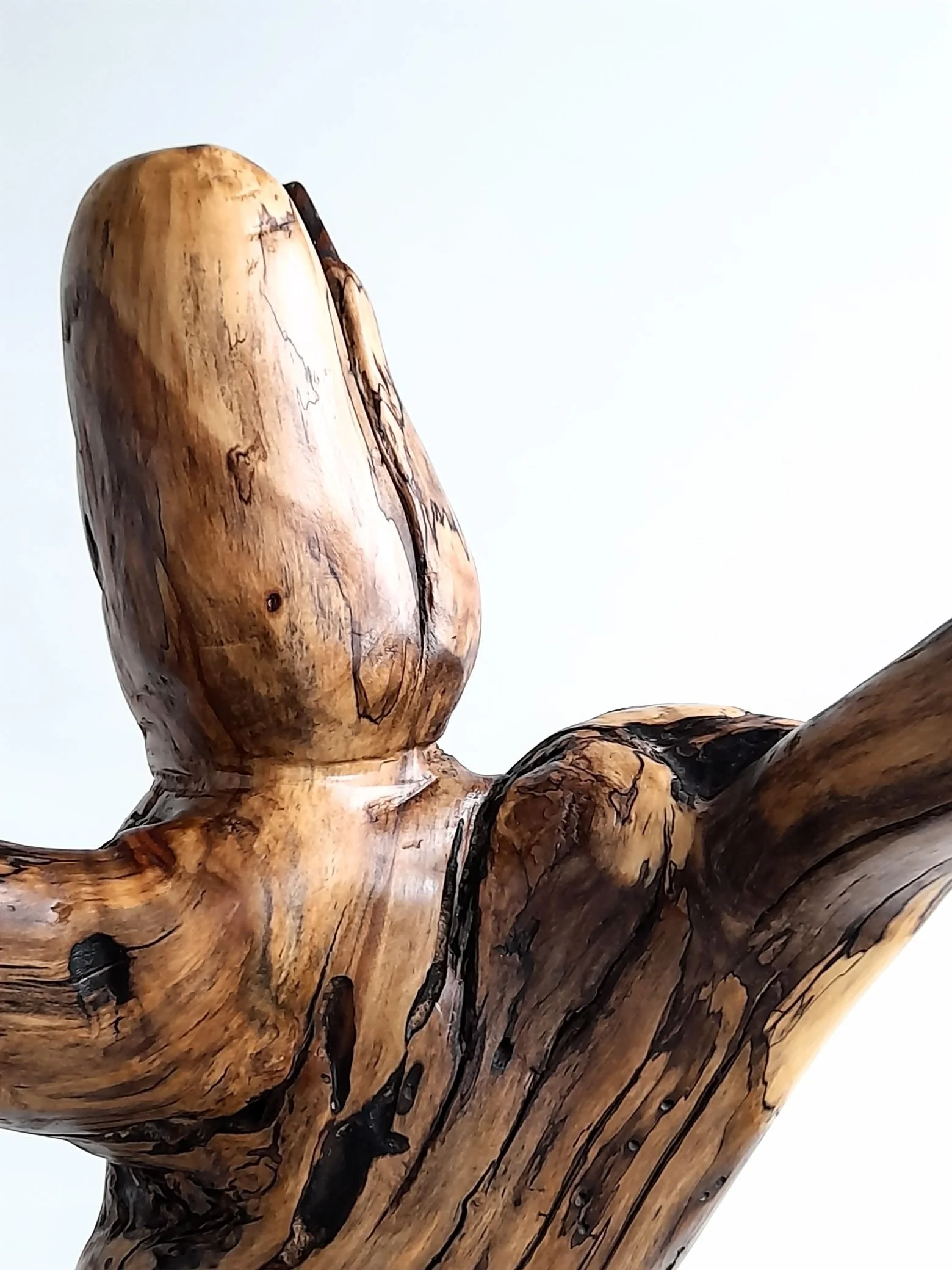
The resulting piece, Still Standing, carries the story of its origin in every curve and grain line. The tactile warmth of the timber and the strength of its form reflect the rugged coastline it came from.
When a collector brings a piece like this into their home, they aren't just acquiring a wooden form—they are bringing a piece of the South Coast’s living history inside.
Explore the Work: You can view Still Standing and see its full dimensions and details in the Gallery