By Ole Jensen
Sculpture is often as much about what is removed as what remains. When I set out to carve Coastline Monolith from a massive beam of Australian Red Cedar, the inspiration came directly from our local landscape—specifically the sheer, carved basalt columns and ocean-cut channels of Bombo Headland. The old quarry at Bombo stands as a striking reminder of how nature and human history shape stone and timber over time.
The Legacy of "Red Gold"
Australian Red Cedar (Toona ciliata) holds a unique place in our history. In the 19th century, timber getters ventured into the dense subtropical rainforests of the South Coast searching for these magnificent trees. Prize-cut cedar was prized for its rich crimson hue, lightness, and stability, earning it the nickname "Red Gold."
Because it was logged so heavily during early settlement, working with authentic, seasoned Red Cedar today requires deep respect for the material. Every log holds over a century of history, grain, and character that can never be replicated.
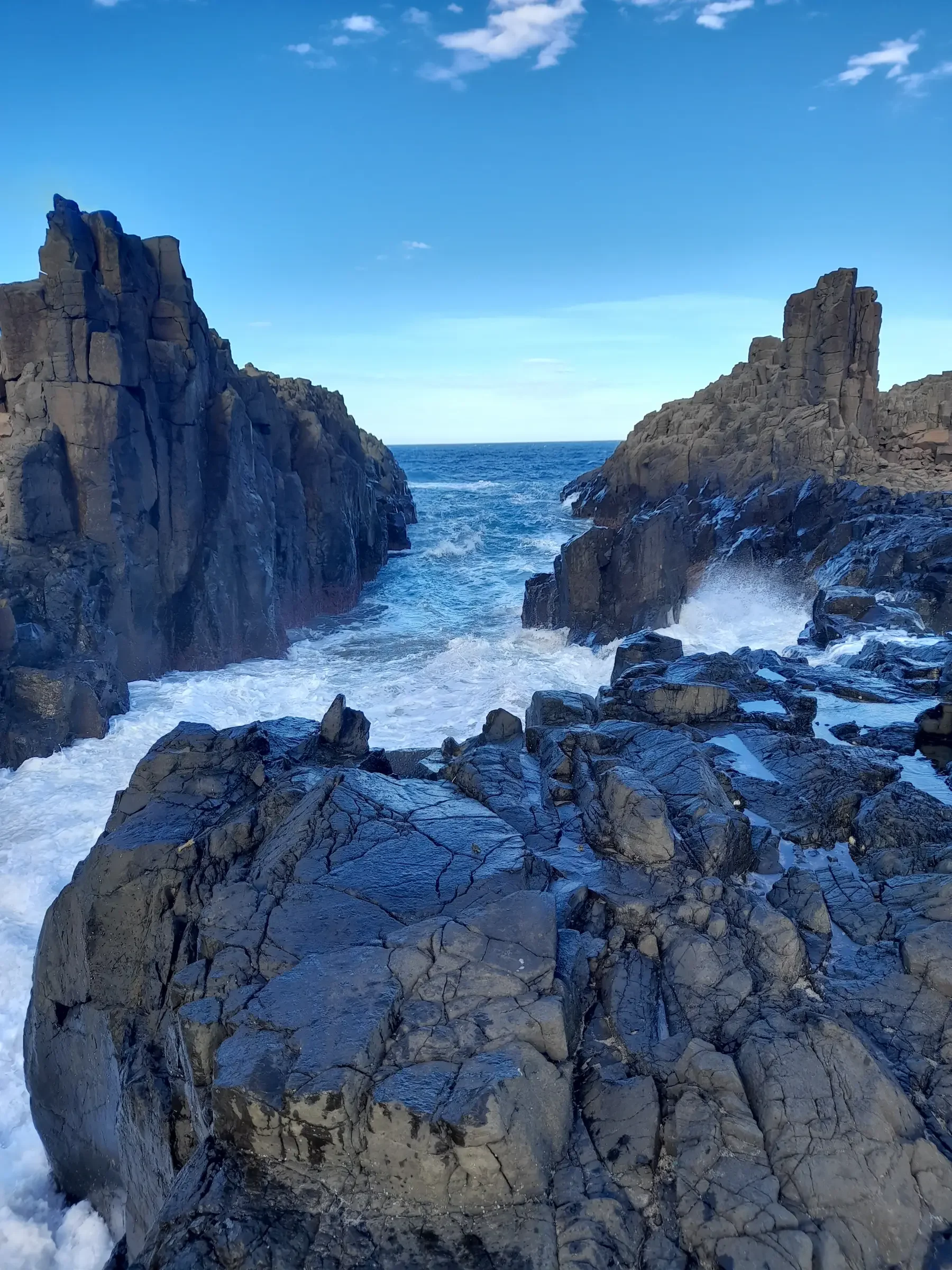
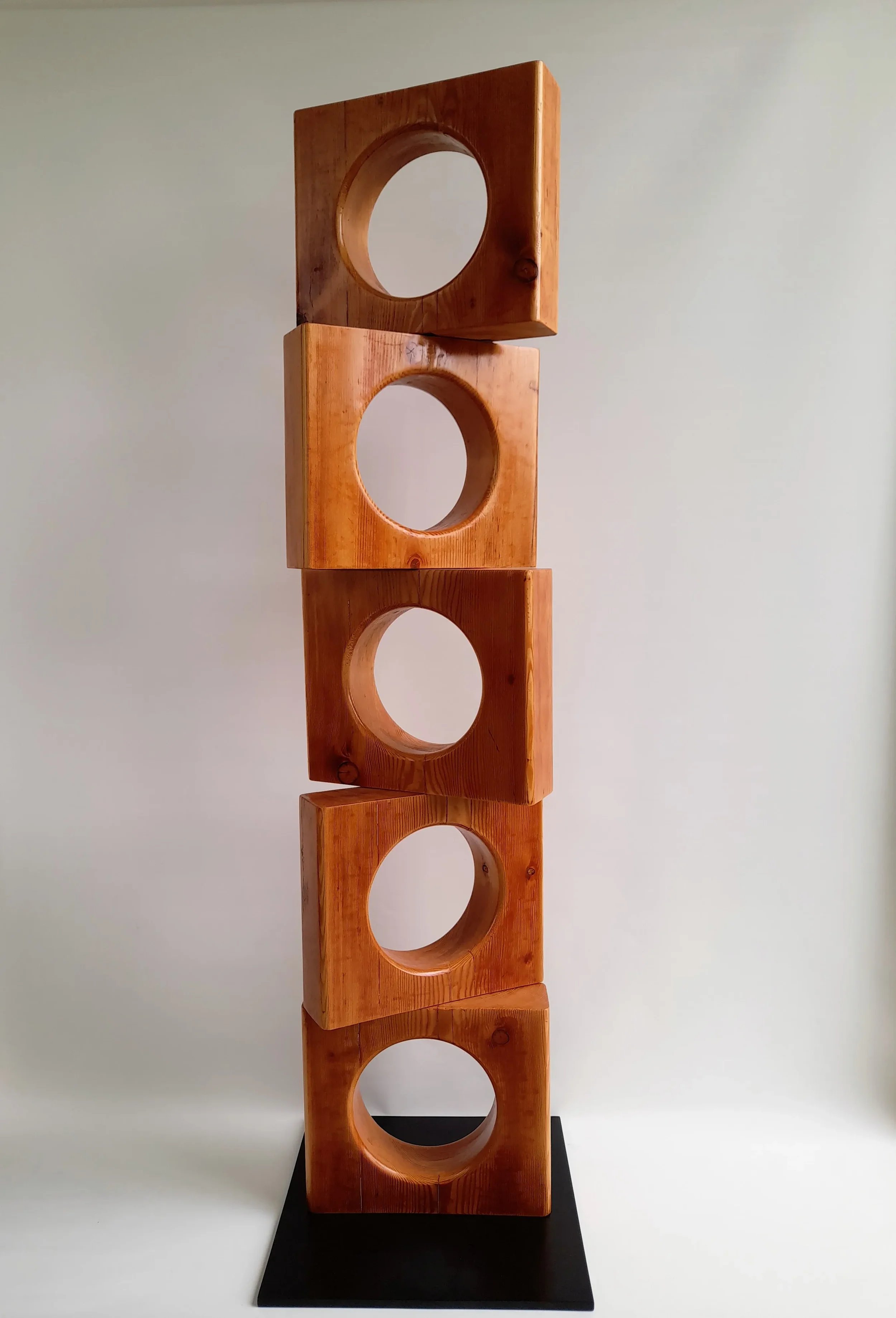
Zero-Waste Craftsmanship: The Minnamurra Discs
Extracting the large circular negative space cutouts from Coastline Monolith left behind several substantial pieces of this precious "Red Gold." Rather than letting rare timber go unused, those cutouts became the foundation for a zero-waste series: the Minnamurra River Trilogy.
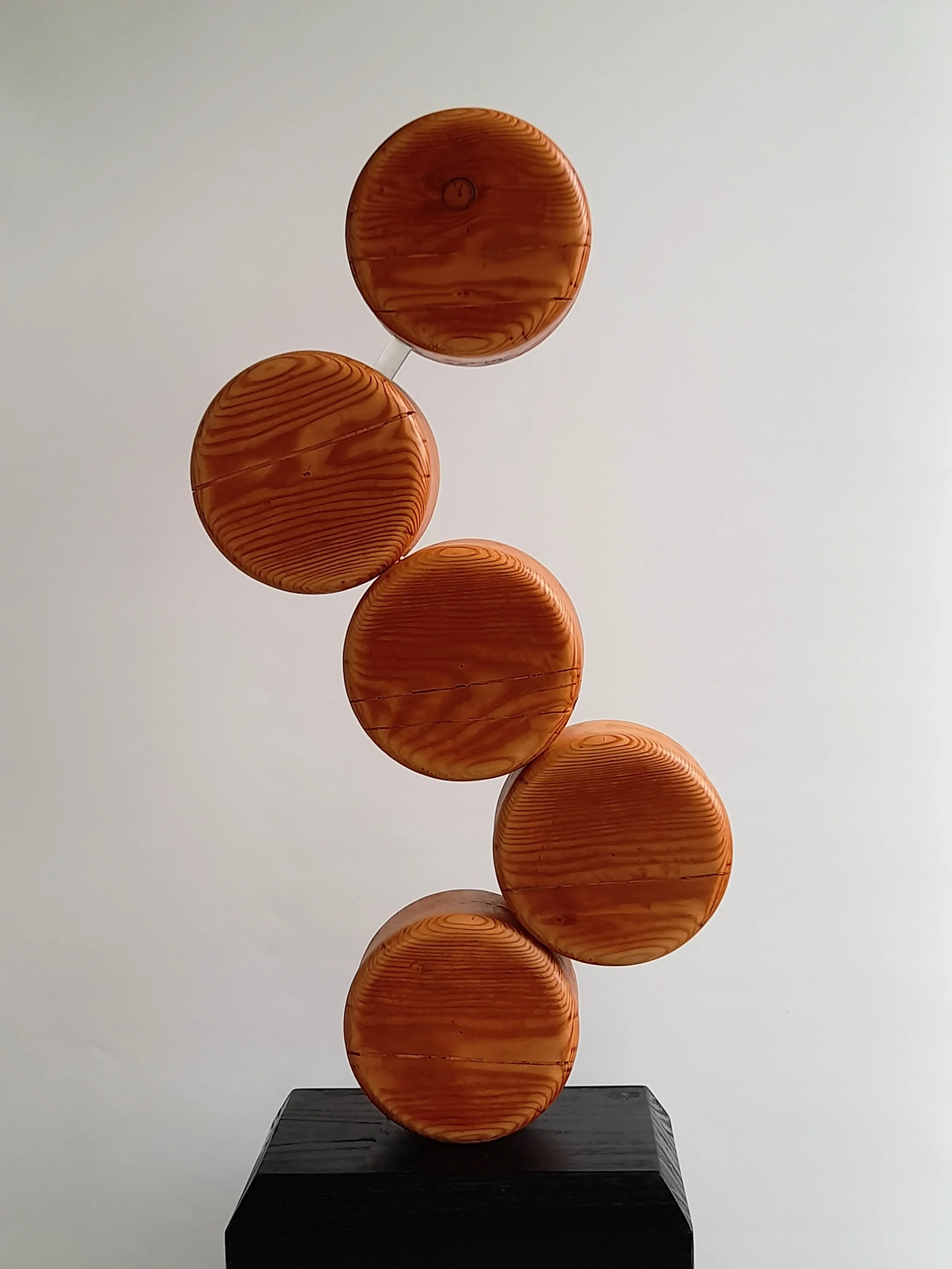
Named after the winding waterways and shifting tides of the Minnamurra River near Kiama, these three distinct sculptures give new life to the core cutouts:
Minnamurra River Tide: A rhythmic 5-disc vertical stack celebrating fluid organic lines, contrasting timber grain, and continuous vertical movement.
Stack Island, Minnamurra: An architectural composition featuring a floating top disc suspended by a hand-cast, crystal-clear epoxy resin core. The clear dowel creates an optical illusion of space and light passing directly through the heart of the wood.
Minnamurra River Low Tide: A grounded 4-disc arrangement exploring weight, negative space, and quiet structural balance.
By honoring every section of the tree, the trilogy turns the cutouts of a singular monolith into an interconnected series of fine art pieces.
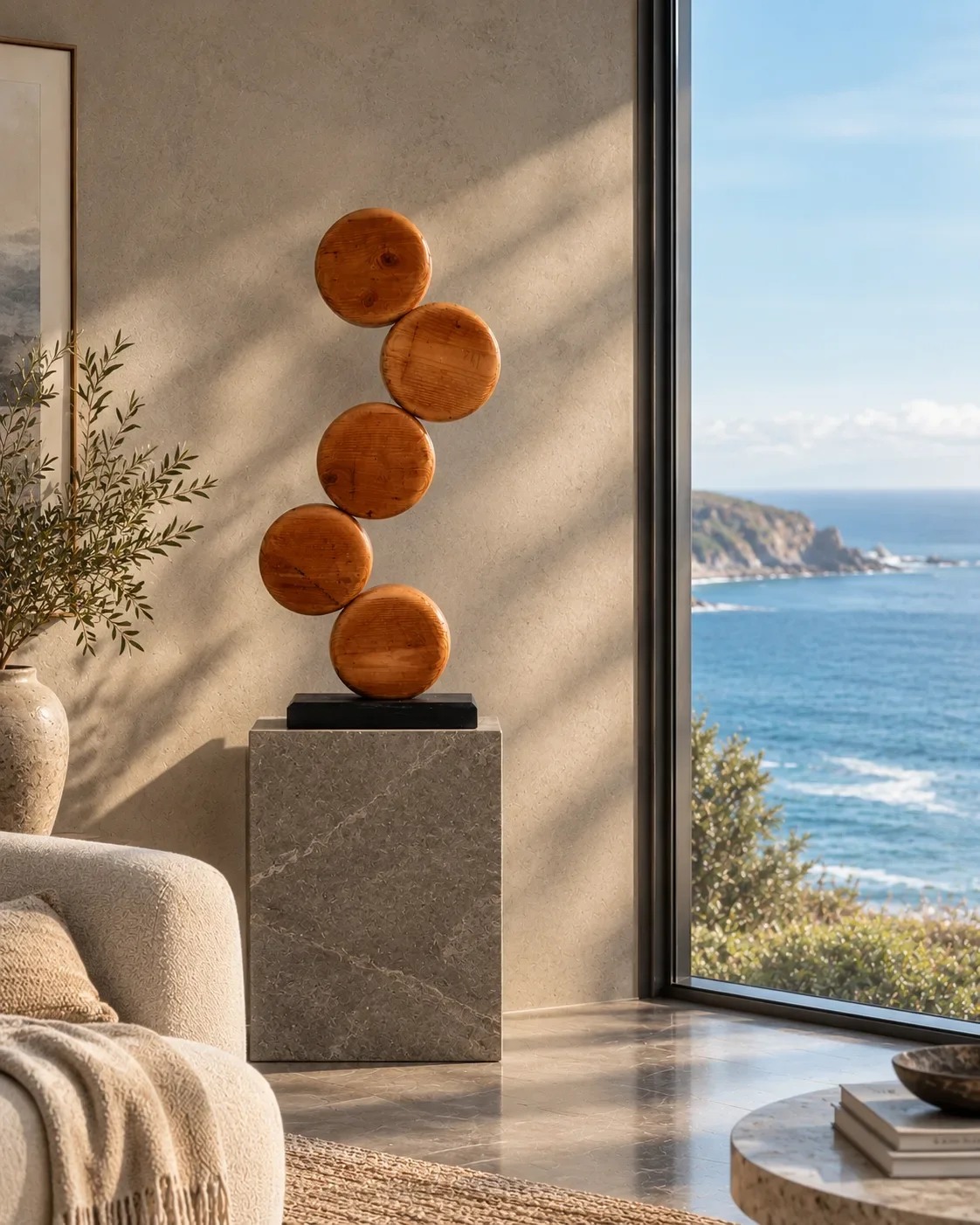
Bringing Regional History into Modern Spaces
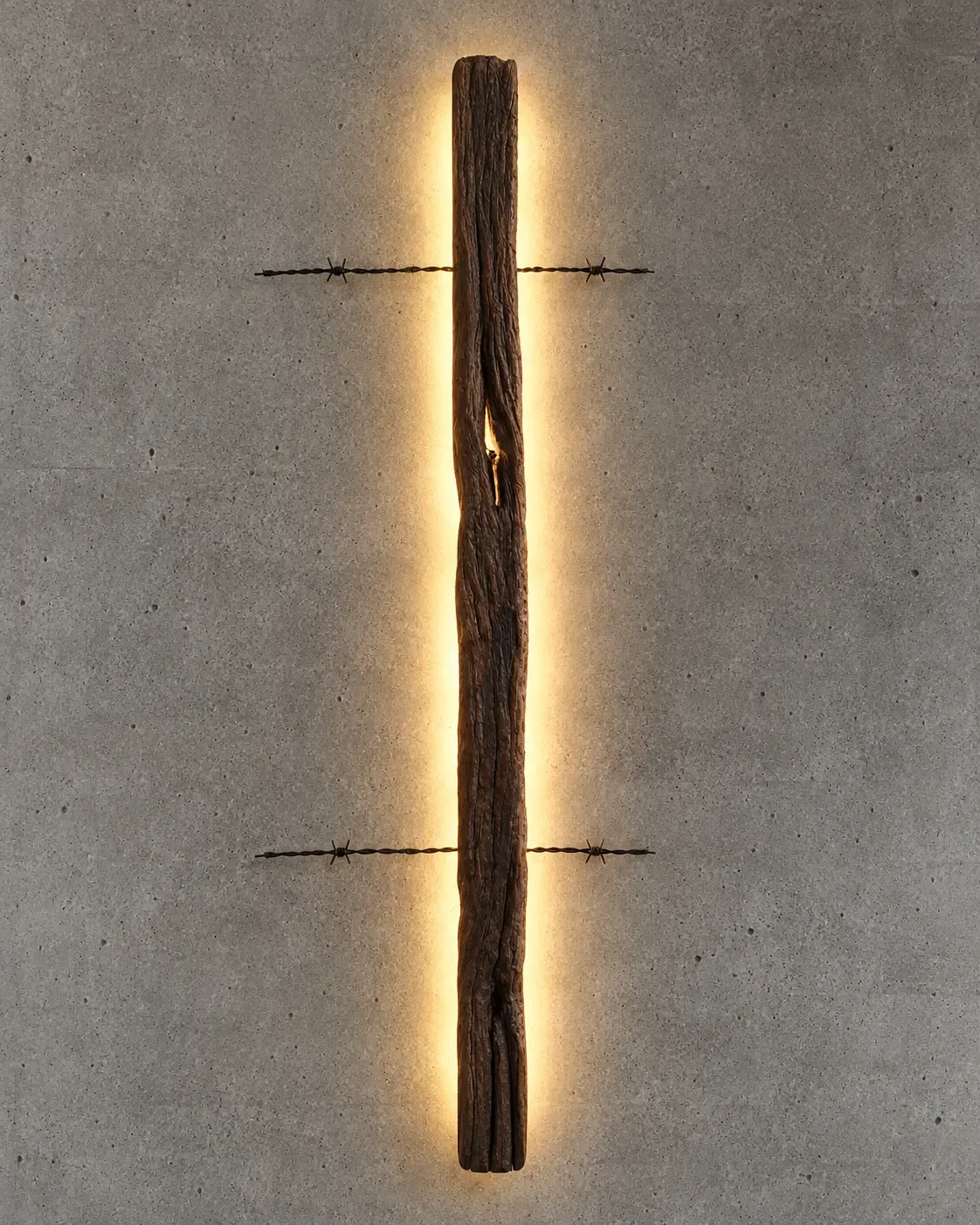
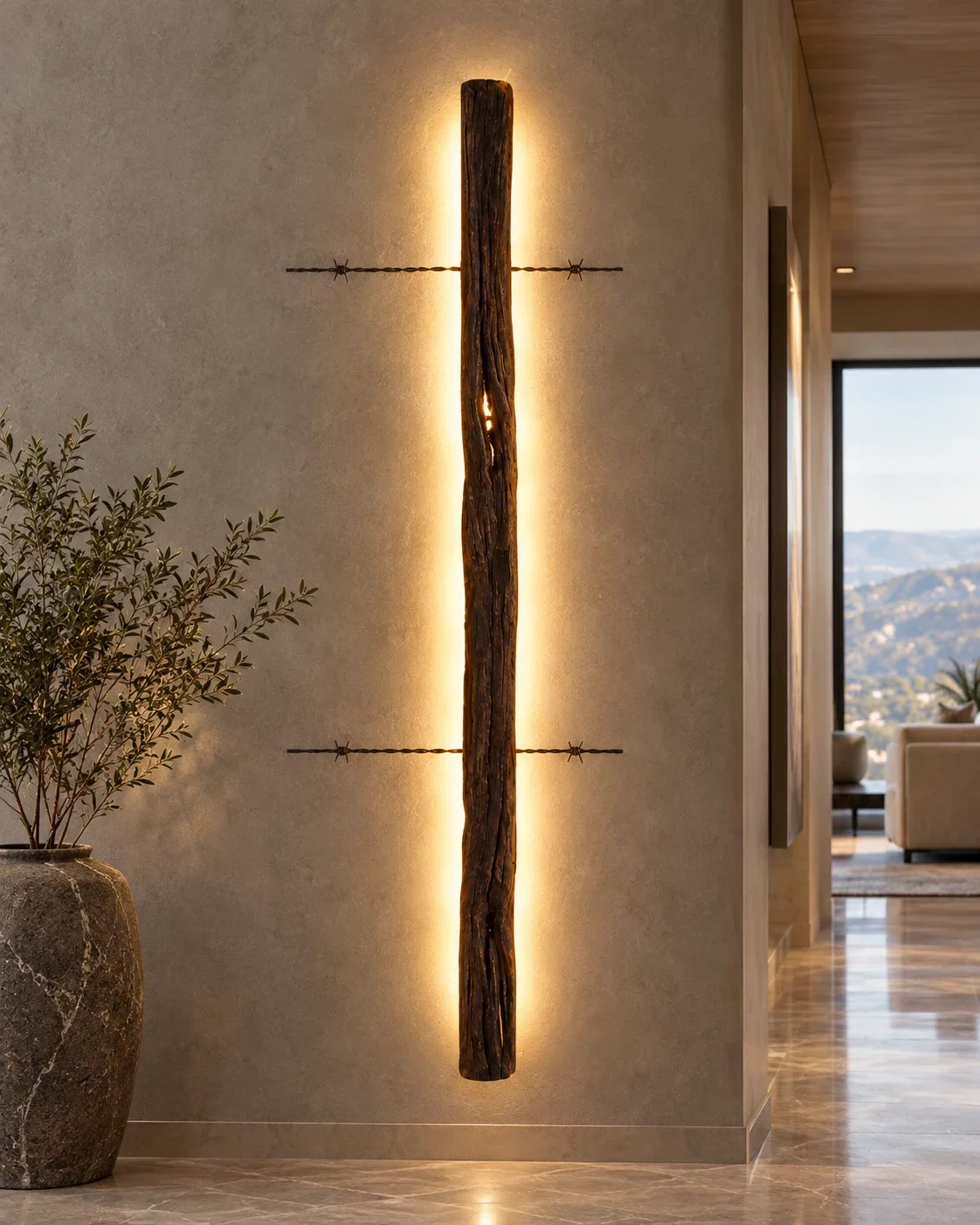
The South Coast landscape offers inspiration not only through its geological formations, but through its heritage materials. Running parallel to the organic forms of the Red Cedar trilogy is the Kiama Settlement Ironbark Wall Light (c. 1870s).
Crafted from an authentic, hand-split Green Ironbark fencepost salvaged from early Kiama agricultural settlement, this piece integrates warm 12V LED backlighting behind century-old timber and weathered barbed wire. It stands as a bridge between historical Australian utility and contemporary architectural light art.
Styling Native Timber Art in Coastal Interiors
When placing rich native hardwoods like Australian Red Cedar or Green Ironbark in modern coastal or minimalist interiors, a few key design principles apply:
Embrace Light and Shadow: Position pieces where natural side-lighting can accentuate hand-carved textures, hollows, and warm oil finishes throughout the day.
Anchor the Entryway or Mantel: Large vertical forms work exceptionally well on low console tables or stone hearths, drawing the eye upward and creating an immediate focal point.
Balance Warmth with Neutral Tones: The deep crimson and honey tones of Red Cedar naturally pop against neutral plaster, white walls, or raw concrete, introducing natural warmth to sleek modern architecture.
Whether through reclaimed heritage posts or zero-waste sculptural series, every piece created in the studio is built to celebrate the enduring character of Australian timber and the coastline we call home.